
Kishan P
May 14, 2026
Have you ever thought-how much does it cost to build a mobile app in 2026? Well, the answer is simple-not a fixed number.
Mobile apps are a powerful growth driver today. The 2026 transition reports revealed that the global mobile app market is projected to hit $378 billion. Let’s look at the price range as well. The average mobile app creation cost of a basic MVP is around $40,000. Meanwhile, highly complex or enterprise-grade platforms invest over $400,000.
In general, mobile app development costs depend on a blend of factors. This includes the complexity of features, design quality, and target platforms. But many companies fail to consider one important factor-the cost of hiring mobile app developers. Overall, everyone must understand the investment behind mobile development, whether a startup aiming to disrupt or an enterprise expanding digital reach.
This blog breaks down mobile app development cost in 2026. We’ll detail key factors and provide a complete cost breakdown of different apps to help you plan smarter.
Major Factors Affecting Mobile App Development Cost
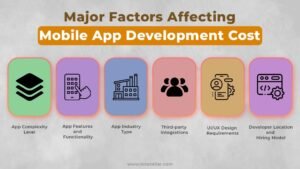
The development cost of an app is not fixed. Various factors such as feature depth and scalability goals shape it. Ignoring these can lead to budget overruns.
1. App Complexity Level
Every app has different complexity levels. Simple apps with basic UI, login systems, and dashboards are more affordable. In contrast, complex apps require larger teams and advanced architecture, increasing costs significantly.
2. App Features and Functionality
Each feature directly adds to the development scope. Core functionalities are cost-efficient, but advanced features require backend logic, API integrations, and extensive testing. For example, eCommerce apps need dynamic catalogs and secure checkout systems, which increase development costs.
3. App Industry Type
Different industries demand different levels of compliance and scalability. Fintech apps require secure transactions, while retail and on-demand apps must handle high user traffic.
4. Third-party Integrations
Modern apps rely on APIs for payments, analytics, and cloud services. While these integrations speed up development, they also introduce licensing fees and maintenance costs.
5. UI/UX Design Requirements
Design impacts user engagement. Simple designs are cost-effective, while advanced UX planning and custom UI elements increase the budget.
6. Developer Location and Hiring Model
The cost of hiring developers varies globally. Choosing the right region and hiring model significantly impacts the overall budget.
Developer Cost by Region
| Hourly Rate (Approx.) | Reality Check | |
|---|---|---|
| USA | $80 to $200+ /hr | Senior developers can exceed $200/hr. |
| Western Europe | $70 to $150 /hr | Strong expertise with slightly lower cost than the US. |
| Eastern Europe | $40 to $90 /hr | Balanced cost and quality for outsourcing. |
| India | $25 to $60 /hr | Highly cost-effective with a skilled talent pool. |
| Southeast Asia | $20 to $50 /hr | Budget-friendly for simple projects. |
The Takeaway: The biggest cost driver isn’t development-it’s the decisions behind it. Clear requirements and scalable architecture help optimize costs.
Mobile App Pricing in 2026: Cost Estimates by App Type
App development costs vary based on complexity, features, and scalability needs. Each app type has its own pricing and timeline.
1. Basic Apps
Basic apps are simple and quick to build, ideal for MVPs and pilot projects. Cost ranges from $40,000 to $100,000, with a timeline of 3 to 6 months.
2. Medium Complexity Apps
These apps include structured architecture, integrations, and secure payments. Suitable for growing startups, costing between $100,000 and $200,000 with a 4 to 9-month timeline.
3. High-end Apps
High-end apps include advanced features like AI and real-time analytics. Costs exceed $200,000 and development takes 6 to 12 months.
4. Enterprise-level Applications
Enterprise apps are built for scale and security, costing $400,000 to $1,000,000+ with development timelines of 9 to 18 months or more.
Cost Overview
| App Type | Estimated Cost (USD) | Development Time | Best For |
|---|---|---|---|
| Basic / MVP App | $40,000 to $100,000 | 3 to 6 months | Startups and pilot projects |
| Medium Complexity App | $100,000 to $200,000 | 4 to 9 months | Growing startups and service platforms |
| High-end / Complex App | $200,000 to $400,000+ | 6 to 12 months | Apps with AI and real-time features |
| Enterprise-level Application | $400,000 to $1,000,000+ | 9 to 18 months+ | Large-scale enterprise solutions |
The Takeaway: Choose the right app type based on your scalability goals and long-term vision.
Mobile App Development Cost Breakdown
Building a mobile app is a structured investment spread across multiple stages.
1. Planning and Research Phase
This phase takes 5–10% of the total budget and helps minimize risks through proper planning.
2. UI/UX Design Phase
Design consumes 10–20% of the budget and focuses on creating intuitive user experiences.
3. Frontend Development
This stage accounts for 20–30% of the cost and focuses on user interaction and responsiveness.
4. Backend Development
Backend development also takes 20–30% and handles servers, databases, and core logic.
5. Testing and QA
This phase requires 10–15% of the cost and ensures the app is bug-free and reliable.
6. Deployment and Maintenance
This stage takes 15–20% of the budget and covers updates, bug fixes, and ongoing improvements.
The Takeaway: Smart budgeting ensures long-term performance and growth.
Conclusion
Mobile app development in 2026 isn’t just about cost-it’s about making the right strategic decisions. Costs vary based on complexity, features, and scalability. Businesses must focus on value rather than just numbers.
The real cost reflects how well you balance user experience, technology, and scalability. Plan strategically and build apps that last.
Ready to turn your app idea into a scalable product? Partner with a leading mobile app development company like Binstellar. Connect with experts today to get a tailored cost estimate roadmap aligned with your goals.
Written by
Kishan P