
Kishan P
July 17, 2026
Choosing the best e-commerce platform is critical. This decision influences every part, from performance and scalability to long‑term growth.
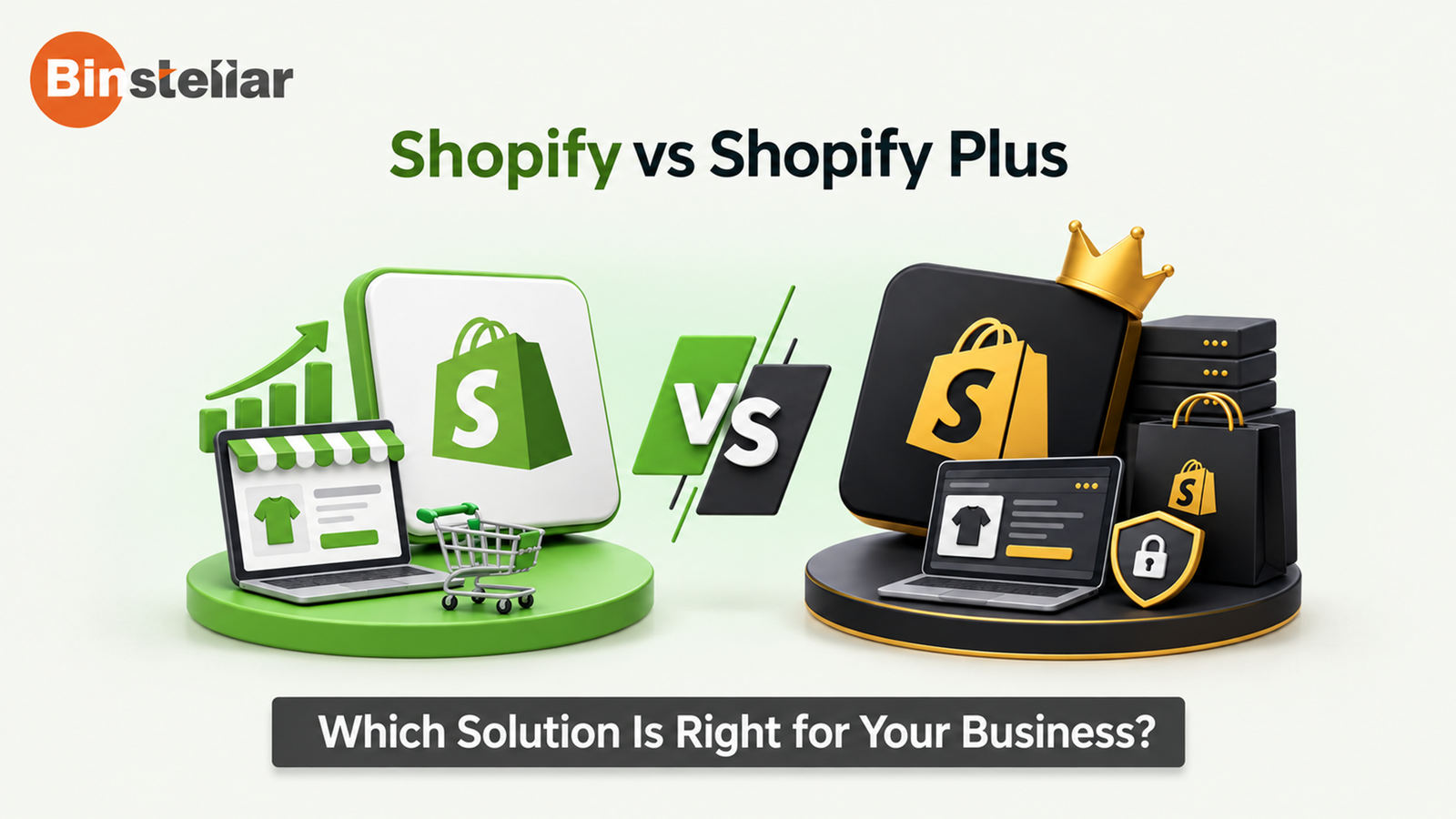
The WordPress vs Shopify debate remains relevant in 2026. Shopify offers an all‑in‑one hosted solution. Custom WordPress development services offer unmatched flexibility through WooCommerce development. Store owners and developers weigh both options. Each can power a successful e-commerce business, but they take different paths to get you there.
Thinking–which platform is best for your Shopify e-commerce website? Here’s a clear breakdown. This blog differentiates both by detailing their key features, from pricing and setup time to maintenance.
Understanding WordPress and Shopify
While selecting, everyone starts by comparing the platform features. But WordPress and Shopify development services are built with different purposes in mind. Each follows its own approach to e-commerce, shaping how your store grows and operates. That’s why understanding their core intent matters.
What Is WordPress?
WordPress is an open-source online store management system. It’s the backbone of various global-level businesses. When paired with WooCommerce, it becomes highly customizable. Many brands choose expert help. They partner with a reliable WordPress development company to build tailored online stores that match their branding and future expansion plans.
What Is Shopify?
Shopify is fully hosted. It makes store creation simple by providing all essential features within a single dashboard. They get help from a trusted Shopify website development company in India to optimize store performance. They also guide them to build scalable e-commerce solutions at competitive costs.
WordPress vs Shopify: Quick Comparison Overview
A quick guide is always essential. It highlights the core factors that influence platform selection and a store’s growth.
Side-by-Side Comparison Table
| Feature | WordPress | Shopify |
|---|---|---|
| Ease of Use | Moderate learning curve. | Beginner-friendly. |
| Setup Time | Longer due to hosting and plugins. | Quick setup. |
| Design Flexibility | Nearly unlimited customization. | Theme-based personalization. |
| SEO Capabilities | Advanced with SEO plugins. | Strong built-in SEO. |
| Pricing | Flexible, depends on hosting. | Monthly subscription. |
| Security | User-managed. | Managed by Shopify. |
| Scalability | Highly scalable. | Easily scales with business growth. |
| Payment Options | Multiple gateways. | Shopify Payments and third-party gateways. |
| Plugin/ App Ecosystem | Extensive plugin library. | Large app store. |
| Customer Support | Community support. | 24/7 dedicated support. |
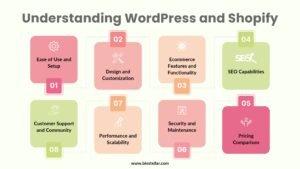
Ease of Use and Setup
It’s easy to launch a Shopify e-commerce website. You’ll get all support, from onboarding to ensuring automatic updates.
WordPress requires hosting. Setting up WooCommerce and the required plugins takes more effort, but it gives more freedom.
Design and Customization
Shopify offers attractive themes and customization options with structured architecture. They help create visually engaging stores.
WordPress provides unlimited design possibilities. Developers can modify layouts, create custom functionality, and integrate advanced business systems. That means highly flexible. This level of flexibility makes WordPress development services in India a preferred choice for businesses building feature-rich projects.
E-commerce Features and Functionality
Shopify has so many built-in features. This includes product management, abandoned cart recovery, and secure checkout. These functionalities streamline the ecosystem, reducing maintenance overhead.
WordPress need WooCommerce and some plugins to expand their functionalities. The setup may take longer. But businesses gain greater flexibility to build multi-vendor marketplaces or tailored checkout experiences.
SEO Capabilities
Shopify’s SEO is getting stronger. Its clean code, mobile‑friendly themes, and built-in optimization features simplify visibility and ranking. Professional teams make it even better. A trusted Shopify website development company can boost performance through technical optimization and structured data implementation.
WordPress also offers greater SEO control. Businesses can customize URLs, optimize metadata, and enhance Core Web Vitals using advanced plugins and development techniques.
Pricing Comparison
Shopify follows a predictable subscription model. It is applicable for all processes, from hosting and security to maintenance. Additional applications may increase monthly expenses, but it is easy to estimate.
WordPress follows a flexible pricing structure. It let businesses pay separately for hosting, premium themes, and plugins. Initial setup costs may vary. But it provides long-term value for organizations requiring extensive customization.
Security and Maintenance
Shopify handles the heavy lifting. SSL certificates, server updates, and PCI compliance are managed automatically. This lets business owners focus on growth and store management.
WordPress works differently. Security depends on proper hosting, timely updates, and reliable plugins. So, it’s better to work with any WordPress website development company to maintain secure, optimized websites.
Performance and Scalability
Shopify delivers reliable performance. Its managed infrastructure makes it suitable for rapidly expanding businesses and seasonal sales events.
WordPress provides exceptional scalability. You can build enterprise-level e-commerce stores by optimizing caching, database performance, and server architecture.
Customer Support and Community
Shopify provides 24/7 assistance. They communicate with their own users through chats, emails, and mobile phones. The platform work with extensive documentation. Thus, it’s easy for users to find and clear the issues.
WordPress benefits from one of the world’s largest developer communities. Businesses working with it receive dedicated technical expertise tailored to their business goals.
Pros and Cons of WordPress
Pros:
- Complete ownership and flexibility.
- Advanced SEO capabilities.
- Unlimited customization options.
- Large plugin ecosystem.
Cons:
- Requires technical management.
- Security depends on proper maintenance.
- Longer setup process.
Pros and Cons of Shopify
Pros:
- Quick deployment.
- Managed security and hosting.
- Easy store administration.
- Excellent support.
Cons:
- Monthly subscription costs.
- Limited backend customization.
- Additional app expenses for advanced features.
WordPress vs Shopify: Which Platform Should You Choose?
Priorities changes across e-commerce businesses. So, don’t just look which platform is better, instead find which suits your business objectives.
Choose WordPress if you:
- Rely heavily on organic search traffic.
- Need complete control over design and integrations.
- Prefer full flexibility over your website.
- Already operate WordPress and want to add e-commerce functionality.
- Have access to skilled developers.
Choose Shopify if you:
- Want to launch quickly.
- Prefer a single hosted solution.
- Sell small or mid-sized products.
- Want to avoid managing hosting, software updates, and plugin maintenance.
- Value dedicated customer support from a single platform provider.
Read Also: Woocommerce vs WordPress: Which is Better to Build Your Online Presence?
Conclusion
The WordPress vs Shopify decision comes down to priorities. Your business goals, technical requirements, and growth plans will have an impact because each offers distinct strengths. Shopify makes things simple. It streamlines store management, while WordPress delivers greater flexibility and control for those who want deeper customization. So, evaluate carefully. And finally, choose the platform that can support your today’s e-commerce vision and futuristic growth plans.
Need expert guidance? Then, partner with a trusted WordPress and Shopify development company in India like Binstellar. Our experts ensure precision at each step. From custom WordPress development to end-to-end Shopify solutions, we help businesses create conversion-led online stores. Contact us today! Let’s turn your simple e-commerce vision into real-world solutions.
FAQs
1. Is Shopify better than WordPress for ecommerce?
No. Shopify is ideal for businesses seeking simplicity and faster deployment. WordPress suits a different need. It’s better for those requiring advanced customization, greater SEO control, and complete ownership of their e-commerce website.
2. Can WordPress handle large ecommerce stores?
Yes. With WooCommerce and reliable hosting, WordPress can efficiently support large stores. Scalability is built in. It adapts to growing requirements while maintaining speed, security, and flexibility.
3. Which platform is more SEO-friendly?
WordPress offers more flexibility. Through advanced customization and plugins, it generally provides greater SEO control. Shopify holds its own. It delivers strong built‑in SEO features, making them effective when optimized correctly.
4. Is WooCommerce cheaper than Shopify?
It can be. WooCommerce itself is free, but some additional features like hosting gets add to the overall cost. Shopify works differently. It offers predictable subscription-based pricing, which is a smarter budget.
5. Can I migrate from Shopify to WordPress or vice versa?
Yes. You can migrate using modern tools, ensuring smooth data transfer. Disruption stays minimal. When handled correctly, the process allows your business to switch platforms without losing continuity or customer trust.
Written by
Kishan P