
Home >> Case Study >> AI in Predictive analysis and Stock Inventory Management
AI in Predictive analysis and Stock Inventory Management
Client Background
Our client is a mid-sized retail chain that sells fashion and lifestyle products across 40 stores in India. They manage thousands of products, ranging from clothing and shoes to home decor. Their stores are located in metro cities and smaller towns, and their stock changes every
season.
While our client had grown steadily over the last five years, they were now struggling with stock and inventory management. They reached out to us for a smart, AI-powered solution.
Client Challenges
Client team was facing several issues:
- Overstocking : In some stores, products remained unsold for months. This blocked cash flow and storage space.
- Stockouts : In other locations, best-selling items were often out of stock, leading to customer dissatisfaction and lost sales.
- Manual Forecasting : They were using spreadsheets and basic tools to estimate future demand, which was time-consuming and often inaccurate.
- Poor Visibility : The head office had no real-time idea of what was available in each store.
- Seasonal Confusion : They couldn’t predict how seasonal demand would change across cities.
They needed a solution that could predict product demand, automate reordering, and give them
real-time visibility of their stock.
Our Approach at Binstellar
After understanding their challenges, we decided to build a custom AI-based predictive inventory system. Here’s how we approached the problem:
1. Understanding the Data
We studied 2 years of sales data, product types, seasons, customer footfall, and regional
preferences. We also looked at return rates, discount trends, and delivery timelines.
2. Developing the AI Model
We built a predictive model that could:
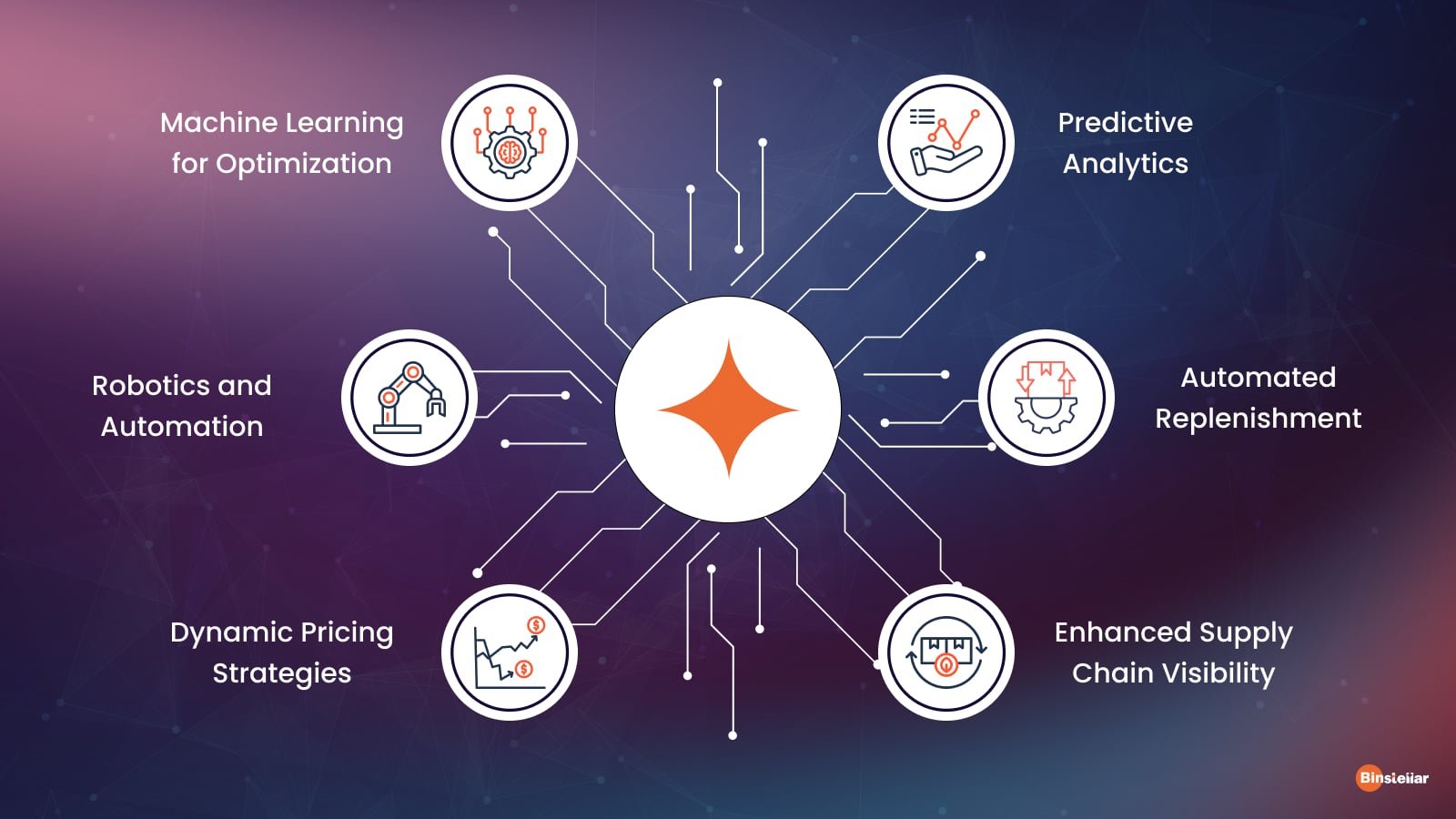
- Forecast demand for each product category and store location.
- Recommend stock levels for the coming weeks.
- Identify slow-moving items and suggest clearance strategies.
- Trigger auto-replenishment of fast-selling items.
3. Designing a Simple Dashboard
We created a user-friendly dashboard for client team that showed:
- Live stock across all stores
- Predictive alerts (low stock, overstock)
- Monthly demand forecasts
- Auto-suggestions for reordering
Dashboard

Integration Process
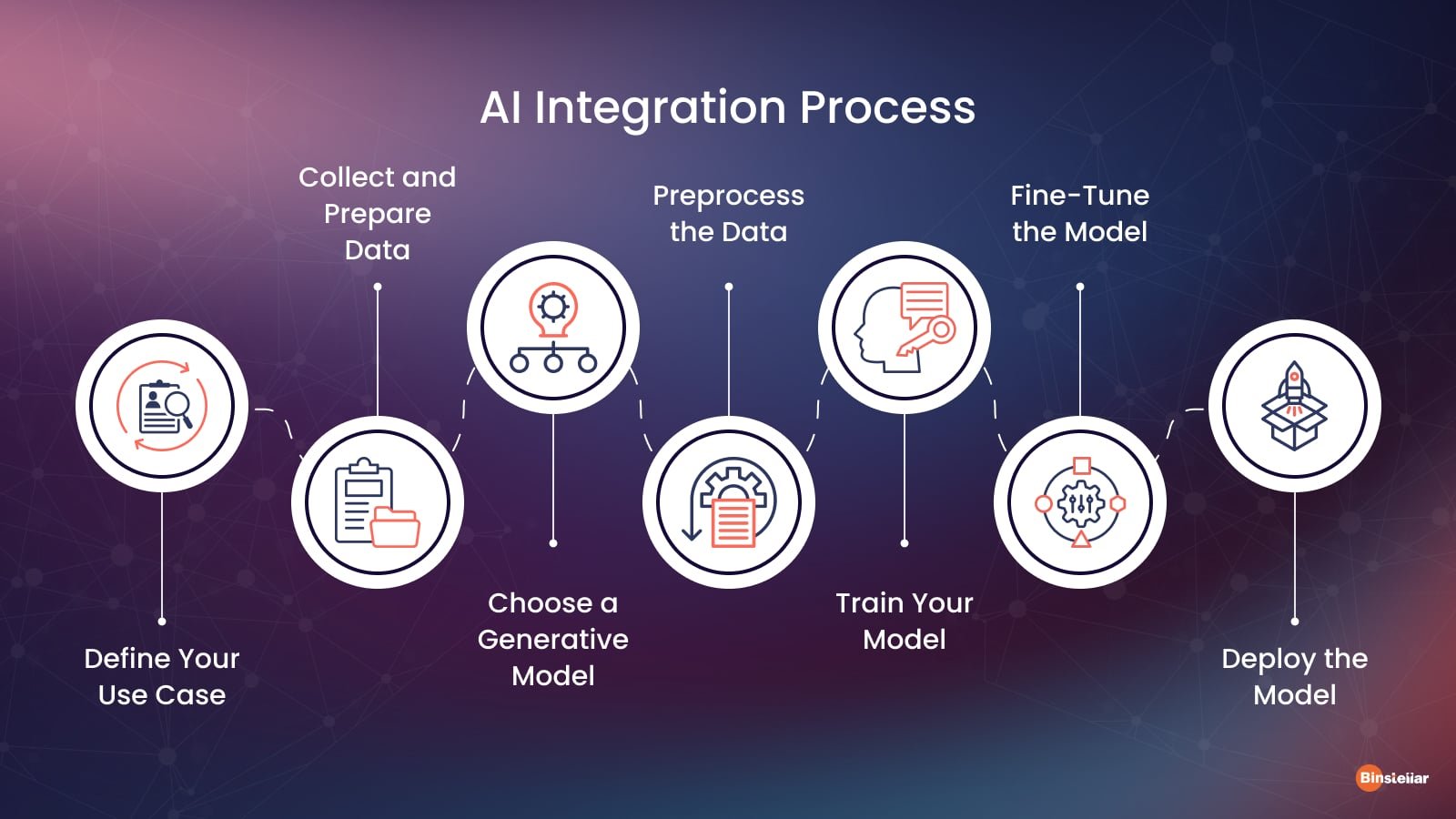
We integrated the AI tool with their existing POS system using secure APIs, enabling real-time
updates on sales and inventory across all retail locations. This ensured that data was always
current, helping the brand make faster and more informed decisions. In parallel, we also
connected the AI system with their live eCommerce website, allowing it to track online shopping
behavior, predict product demand, and personalize product suggestions for users based on their
browsing and purchase history.
The entire setup was completed in just 3 weeks. To ensure smooth adoption, we conducted
hands-on training sessions for both store managers and central warehouse staff, as well as
onboarding tutorials for the digital and eCommerce teams.
Results After 3 Months
The impact of our AI-powered system was clearly visible:
Quantitative Benefits:
- Stockout cases dropped by 60%
- Unsold inventory reduced by 45%
- Inventory holding costs came down by 35%
- Sales improved by 20% in stores that implemented auto-replenishment
- Forecasting time reduced from 3 days to a few minutes
Qualitative Benefits:
- Store staff had more time to focus on customer service instead of manual stock checks.
- The head office could make faster decisions based on data, not guesswork.
- Regional demand patterns were better understood and served.
- Seasonal planning became more accurate and less stressful.
Conclusion
This project is a great example of how AI can solve real business problems. With the right use of
data and technology, even medium-sized businesses like our client can compete with large
retailers. At Binstellar, we believe in building simple, smart, and scalable tech solutions that
make a real difference