
Home >> Case Study >> AI in music and entertainment industry
AI in music and entertainment industry:
Client Background
Our client is an independent music streaming platform with a loyal niche audience. They offer songs, playlists, podcasts, and live performances across multiple languages. As competition grew, they wanted to expand their user base, improve music discovery, and boost listener engagement. That’s when they partnered with Binstellar for a custom AI solution to better understand users and deliver a more personalized experience.
Challenges Faced
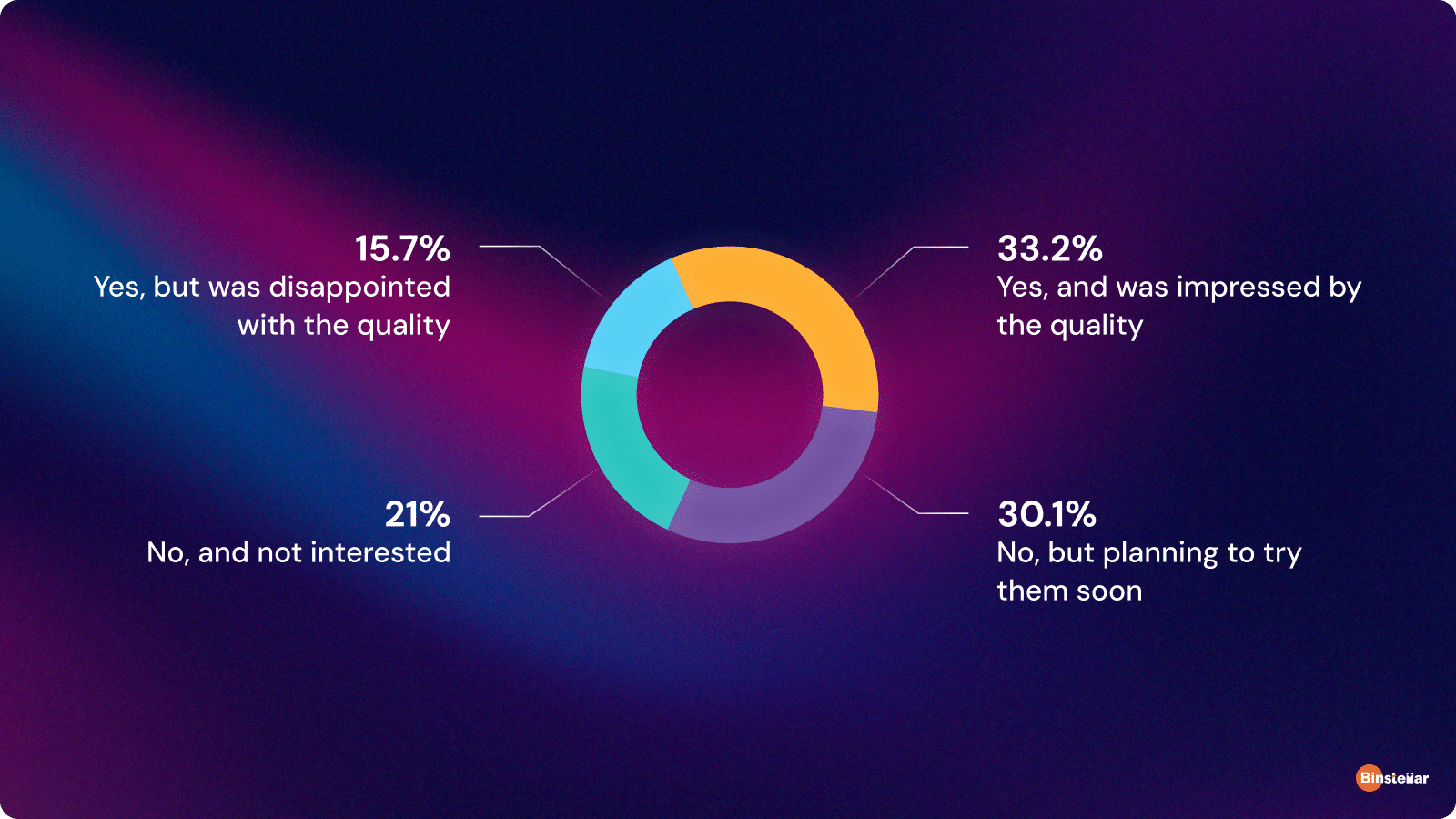
Although client had good music content, they were facing several major challenges:
1. Poor Music Discovery
How Binstellar Helped
After multiple discussions with the product team, artists, and even a few users, we created a roadmap to add AI and machine learning to their platform in a practical and scalable way.
Phase 1: Understanding User Behavior
We collected and analyzed 12 months of user data — song plays, skips, likes, search history, location, language preference, and listening time.
- What kind of content different users prefer
- What time of day they stream music
- What languages and artists perform better in certain regions
- Where user drop-offs happen
Phase 2: Building the AI Engine
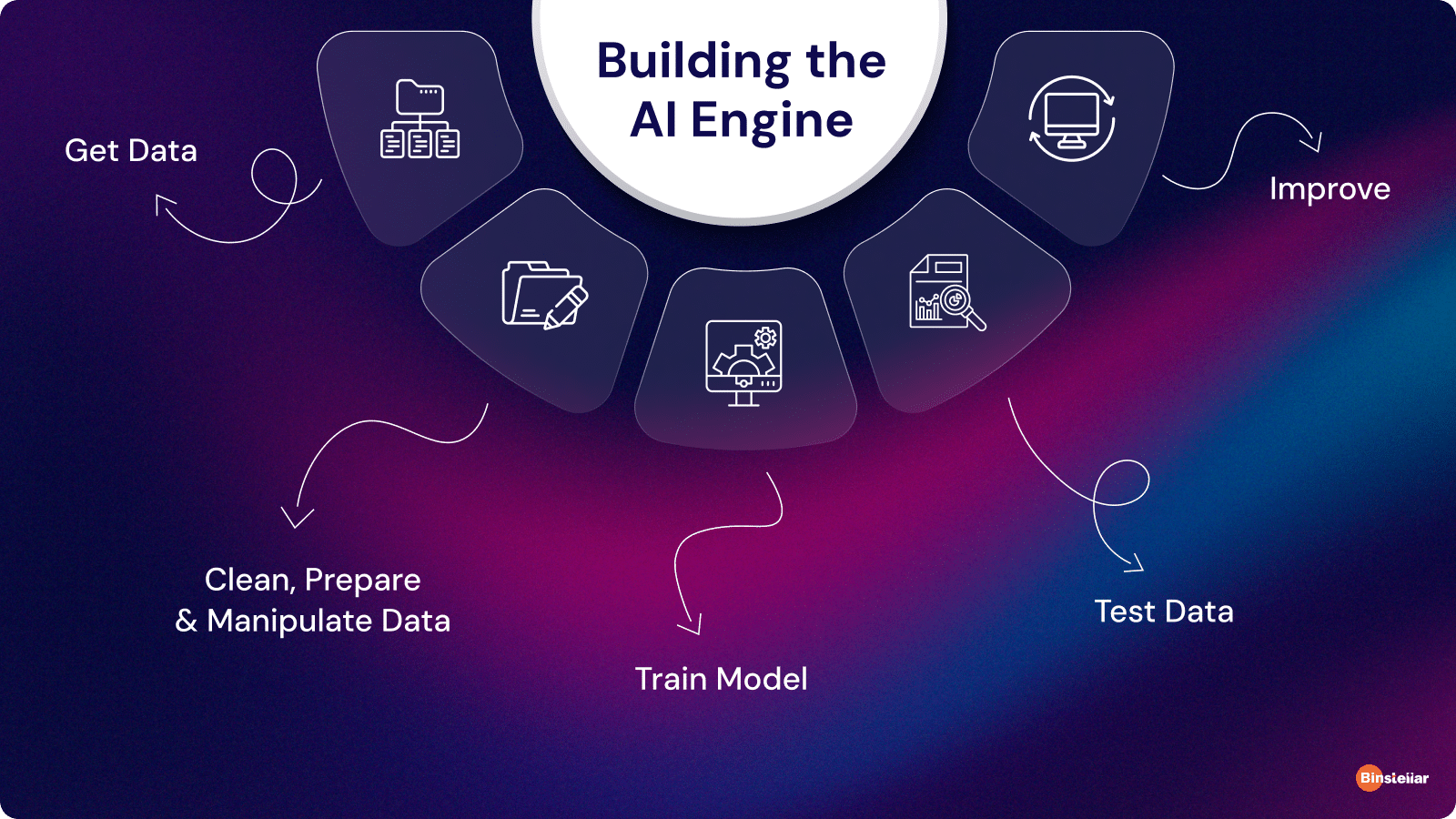
To help our client stand out in a competitive streaming market, Binstellar developed a custom AI system designed to deeply personalize the listening experience and improve user engagement. Here’s how we did it:
Smart Recommendations with Machine Learning
We implemented collaborative filtering and content-based filtering algorithms to build a recommendation engine.
- Collaborative filtering looked at listening patterns across users to suggest similar content.
- Content-based filtering analyzed song features—such as genre, tempo, and artist metadata—to recommend music similar to what the user already likes.
- We also introduced matrix factorization techniques to uncover hidden relationships between users and tracks, making the system more accurate over time.
- The engine continuously improved by learning from new interactions (implicit feedback like skips, replays, and likes).
Artist Boost Engine
Based on engagement metrics, AI now helps push upcoming or less-heard artists to relevant listeners. This gives new talent better reach without needing manual promotion.
- Collaborative filtering looked at listening patterns across users to suggest similar content.
- Content-based filtering analyzed song features—such as genre, tempo, and artist metadata—to recommend music similar to what the user already likes.
- We also introduced matrix factorization techniques to uncover hidden relationships between users and tracks, making the system more accurate over time.
- The engine continuously improved by learning from new interactions (implicit feedback like skips, replays, and likes).
Regional Language Detection
- The system tracked listening behavior to detect preferred languages without requiring manual selection.
- Based on regional preferences, the AI re-ranked the home screen content using a language-based ranking model, so users saw relevant playlists and artists first.
- For example, a user in Amsterdam might see English jazz and European rock playlists, while someone else would see content in their native or preferred language.
Tech Stack Highlights
- TensorFlow and Scikit-learn for model training and recommendation logic
- Python (Pandas + NumPy) for data preprocessing and feature engineering
- Spotify’s Annoy library for fast approximate nearest neighbor search
- AWS Lambda and S3 for scalable model deployment
- Real-time feedback loops for adaptive learning and continuous personalization
Real-Time Insights Dashboard
We built a visual dashboard for the client team. It shows real-time song performance, listener trends, drop-off points, and artist engagement
Phase 3: Integration and Rollout
We carefully integrated this AI engine into their existing system without disrupting their current users. The process took about 5 weeks.
- Backend APIs were updated to include AI recommendations
- Front-end was redesigned to show dynamic playlists
- A/B testing was done to track user response to new features
- Artist dashboards were added to help them see how their content was performing
We also trained their in-house team on how to read the analytics dashboard and fine-tune the AI rules as needed.